Deutsch
 Italiano
August 8, 2026
Do You Need an International Driving Permit to Rent a Car in Crete?
EU and EEA licences work as-is in Crete and UK photocards suit short visits. Non-EU drivers may need an International Driving Permit carried with their licence.
Crete Guide covers the beaches, villages, food and festivals of Crete, and ties every trip back to booking a Crete car rental.
August 8, 2026
EU and EEA licences work as-is in Crete and UK photocards suit short visits. Non-EU drivers may need an International Driving Permit carried with their licence.
August 8, 2026
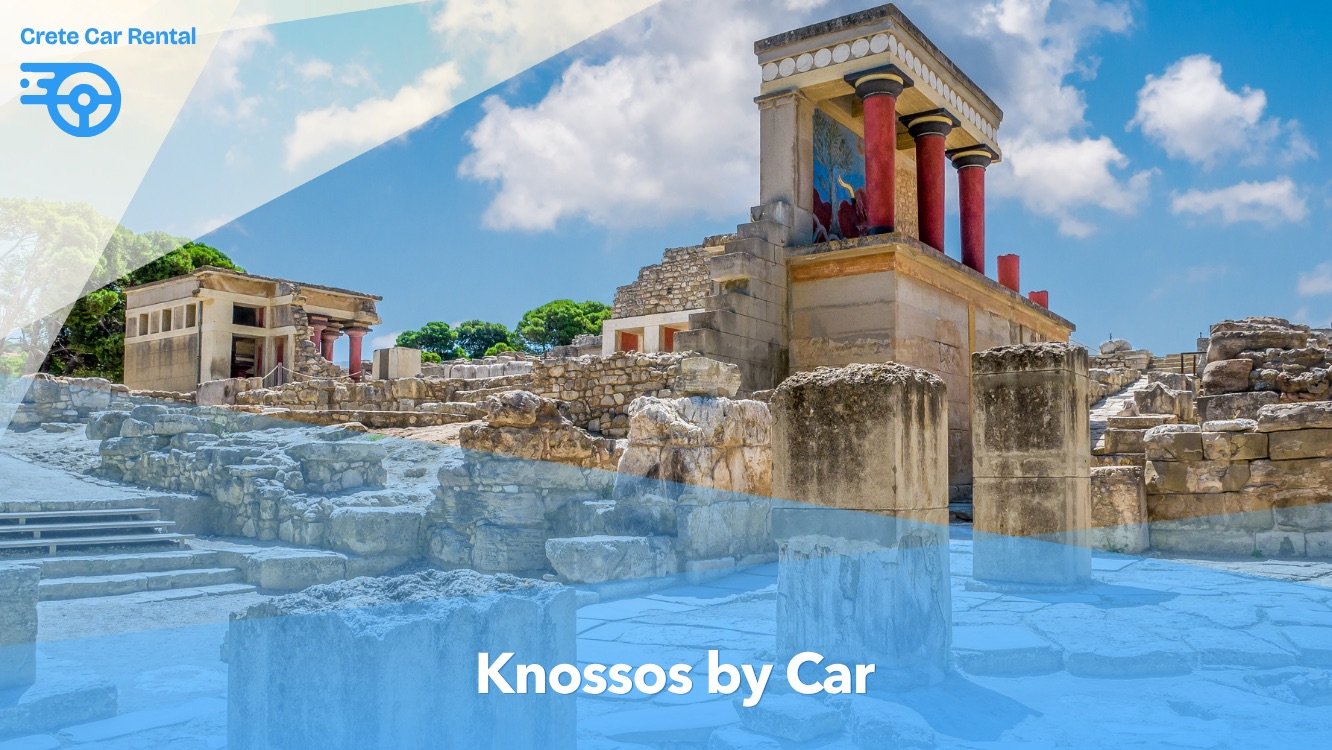
Knossos sits about 5 km south of Heraklion, a 10 to 15 minute drive. Plan the route, parking, opening hours, tickets, and best time to visit by car.
August 8, 2026
An honest guide to getting around Crete. Compare KTEL buses, taxis, tours, and renting a car, then see who needs a car and who can skip one.
August 8, 2026
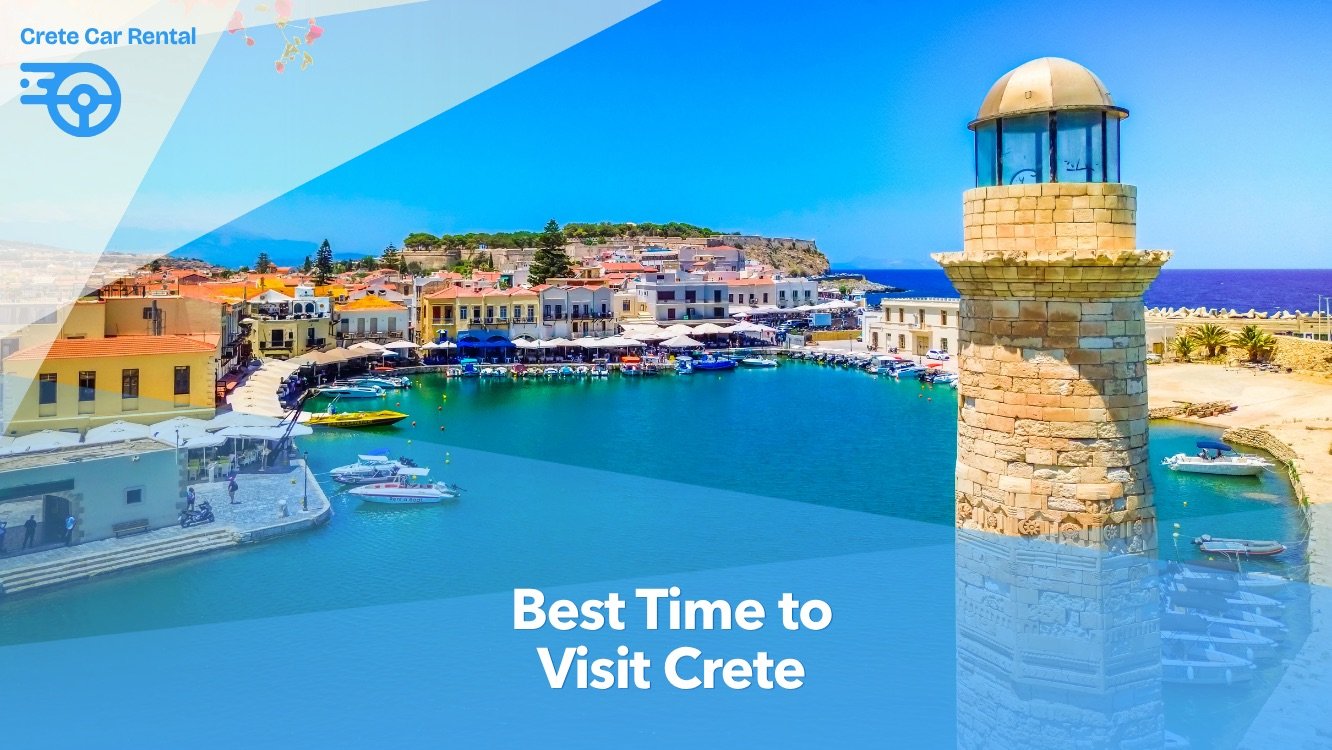
Best time to visit Crete by month and season. Weather, sea temperature, crowds, prices, and when to book your car for quiet roads or peak summer.
August 8, 2026
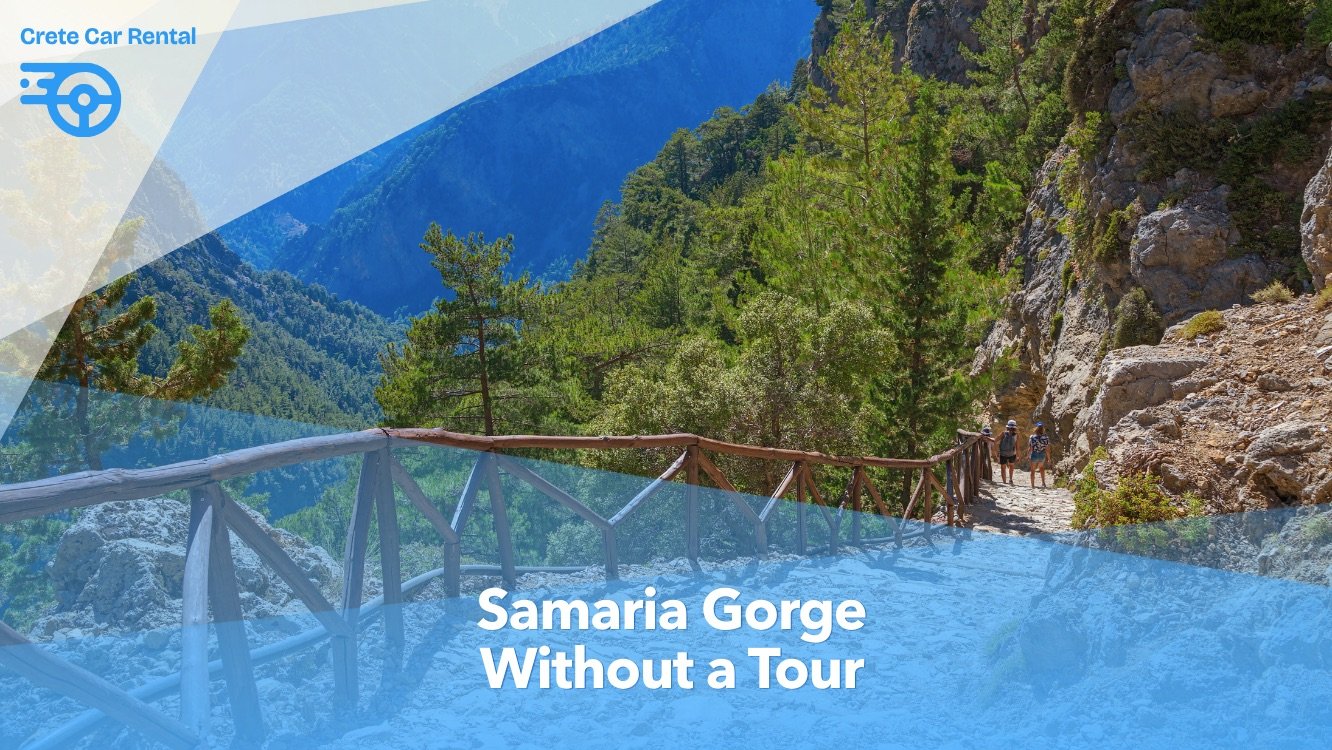
Samaria Gorge is a one-way hike, so never leave your rental car at Omalos. Where to park, the Agia Roumeli ferry, and the KTEL bus back to your car.
August 8, 2026
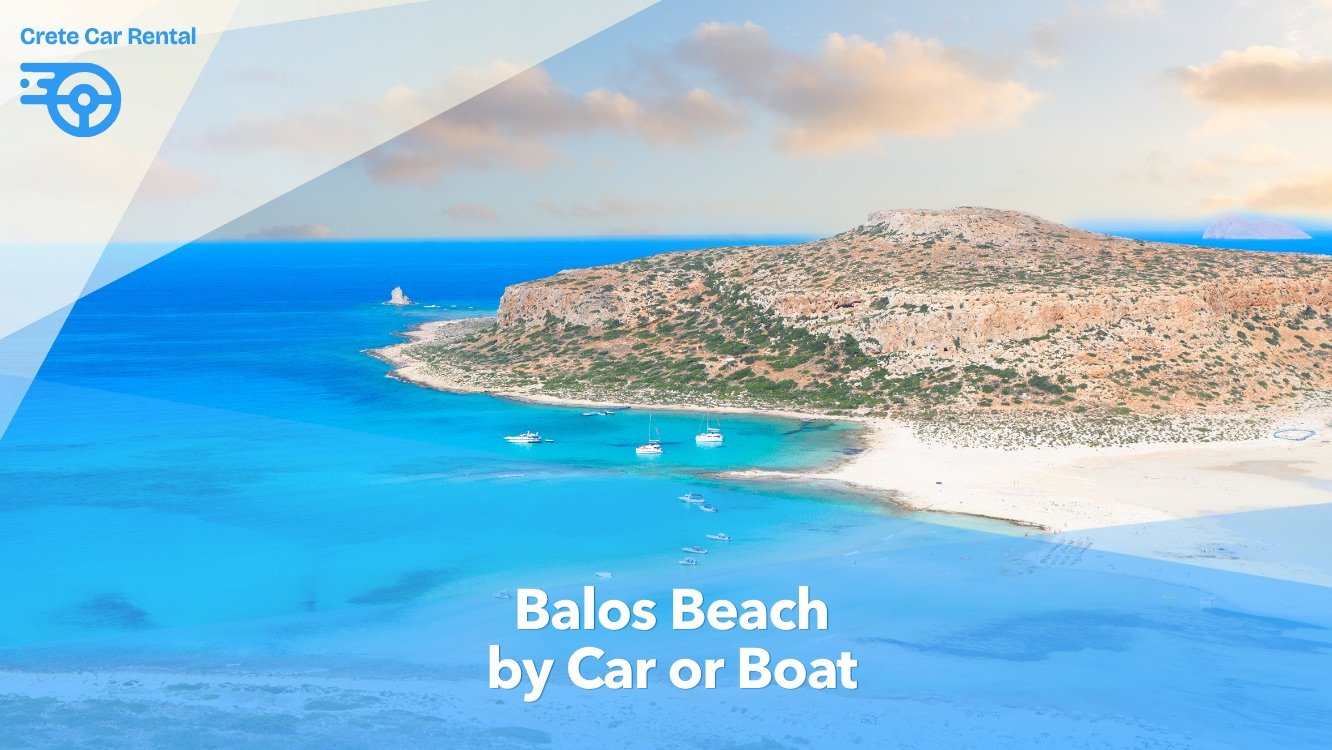
Balos beach Crete by car or boat: the rough dirt road from Kaliviani, the car park and walk down, drive times from Chania and Kissamos, plus the cruise.
August 8, 2026
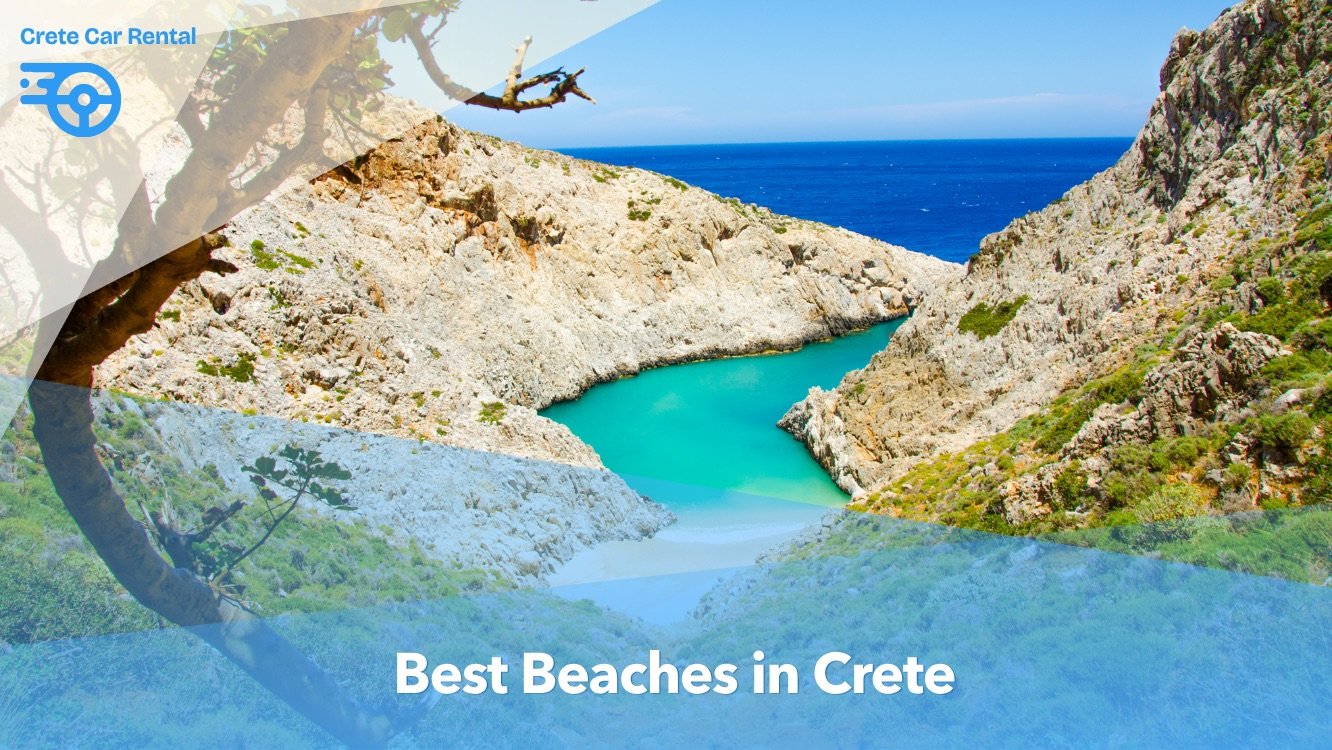
The best beaches in Crete and how to reach each by car: Balos, Falassarna, Elafonissi, Seitan Limania, Preveli, Agiofarango, and Vai.
July 26, 2026
Roads in Crete run from the fast north-coast national road (the A90/VOAK) to narrow mountain lanes and rough beach tracks. The road types, the BOAK motorway upgrade, and driving conditions.
July 26, 2026
There is no Uber or Lyft in Crete. Uber runs only in Athens and a few islands; the app that works on Crete is FreeNow, mainly in Heraklion. Taxis, buses and renting a car explained.
July 26, 2026
You must be at least 21 to rent a car in Greece and have held your licence for one year. The minimum rises to 23 or 25 for larger cars. Age tiers and young-driver rules explained.
July 26, 2026
Yes, you can rent a car in Crete without a credit card. Local agencies accept debit cards and cash, and you mainly need a licence and passport. What to check before you book.
July 26, 2026
Crete has speed cameras mainly on the north-coast national road (the VOAK, E75 and E90), plus mobile police radar. Where they are, the limits, and how fines reach you.
April 14, 2024
Sougia is a small, laid-back village on the south coast of Chania, reached by rental car along the Agia Irini pass, with an undeveloped pebble beach, a handful of tavernas and a cluster of ancient and Byzantine sites within easy driving or walking distance.
April 14, 2024
Crete is the largest island in Greece and the southernmost island in Europe, and it packs mountain villages, long sandy beaches, rocky bays and lively nightlife into a single trip. The island combines dramatic mountain ranges, watersports, tranquil corners and clean, swimmable seas under one of...
April 14, 2024
Crete rewards drivers who adjust their expectations before they set off, since the island's roads mix newly resurfaced highways with old, polished asphalt that behaves differently from what most visitors are used to. The guidance below is designed to help you settle into a slower, more attentive...
April 14, 2024
A rental car accident in Crete rarely fits into a vacation plan, yet the right first move protects your safety and your wallet. Check on every passenger, call the correct Greek emergency number, document the scene, and notify the rental company before you do anything else. The sections below...
April 14, 2024
Cretan cuisine follows the island's own version of the Mediterranean diet: olive oil, vegetables, herbs and dairy carry most meals, while meat plays a supporting role. The dishes below cover the cheeses, breads, wild greens and drinks that define a Cretan table, from everyday staples to the ones...
April 14, 2024
The walk from Sougia to ancient Lissos covers a clearly marked coastal path and takes about 90 minutes each way. Locals and returning visitors rate it as the most popular short hike on this stretch of Crete's south coast. The route leads to a quiet archaeological site with a Roman-era healing...
April 14, 2024
Orthodox Easter, or Pascha, is the most important festival on the Greek calendar, and in Crete it carries more weight than Christmas. The island marks it with a full week of church rituals, family meals and village customs that build from the opening bells of Holy Week to the Sunday feast.
April 14, 2024
Christmas in Crete runs for exactly four weeks, opening on December 6 with the Feast of Saint Nicholas and closing on January 6 with the Feast of Epiphany. The Greek Orthodox Church marks Christmas Day itself on December 25, the same date the Catholic and Protestant Churches use. Crete keeps the...
April 14, 2024
A study from the Wellcome Trust Sanger Institute, first reported by BBC News in 2017, found a genetic reason why some Cretan mountain villagers dodge heart disease despite a diet loaded with cheese, lamb and other animal fat. Published in Nature Communications, the research points to a rare...
April 14, 2024
Travel insurance covers costs that your Crete car rental agreement does not, including medical treatment for an accident or illness abroad and the cost of a lost passport or bags. Travel insurance needs to be active for the whole trip, so buy it before you fly to Crete rather than after you land.
April 14, 2024
Crete stretches far wider than most holidays allow, so pairing two nearby destinations into a single outing is one of the most efficient ways to see more of the island. Agios Nikolaos and Elounda both sit on Mirabello Bay, close enough together that visiting both in one day is realistic rather...
April 14, 2024
Heraklion prefecture pairs three working wineries with Knossos, the most famous Minoan palace on Crete, inside the same central region. Vidiano, Vilana, Kotsifali and Melissaki count among the local grape varieties grown on this soil today, the same ground where a Minoan-era winepress, dated to...
April 14, 2024
Chrissi Island sits in the Libyan Sea off the south coast of Crete, reached only by boat from Ierapetra. Chrissi Island is protected for its crystal clear water, golden sand beaches, and cedar trees, and it draws day-trippers throughout the summer season.
April 14, 2024
The Chania Archaeological Museum holds more than 3,500 artifacts in its Halepa building, and roughly 1,000 of those pieces are on display for the first time anywhere. The collection covers Minoan and Roman finds recovered in and around Chania, brought together under one roof.
April 14, 2024
A spearfisherman found the Elephant Cave by pure chance in 1999, and the flooded chamber he entered near Cape Drapano still holds the fossils that gave the site its name. The cave sits on the north coast of Crete, in Chania, and it remains one of the region's most striking dive destinations for...
April 14, 2024
Chania's Venetian lighthouse is the town's single most recognizable structure, guarding the mouth of the Old Venetian Harbour. The lighthouse standing today dates, in its present form, to the Egyptian Occupation of Crete in the early 19th century, even though its story as a harbour marker starts...
April 14, 2024
Five driving habits lower the fuel bill on a Crete car rental, and none of them require a different vehicle. Reading the road ahead, using air conditioning at the right moments, accelerating gently, respecting the speed limit, and skipping short avoidable trips each cut consumption on their own....
April 14, 2024
Chania's Old Town layers Byzantine, Venetian and Ottoman influences across its port, churches and houses, with each era visible side by side rather than confined to a single quarter. The result is a compact historic center where a harbor lighthouse, orthodox churches and merchant houses sit...
April 14, 2024
Crete rewards every kind of traveler. This list covers 15 things to do on the island, spanning adventure sports, wildlife watching, mountain hiking, and food and wine experiences, spread across the coast, the mountains, and the countryside.
April 14, 2024
Kato Zakros sits 44 km southeast of Sitia, in the far-eastern corner of Crete, and the drive there is long enough that most visitors turn back before reaching it. That distance is also the reason the beach at the end of the road stays quiet.
April 14, 2024
Scalani Hills Boutari Winery occupies the Fantaxometocho estate close to Knossos Minoan Palace, inside the Archanes wine-growing district of Heraklion. The winery belongs to Boutari, one of Greece's largest wine producers, and it runs a wine tasting course open to day visitors. A day trip here...
April 14, 2024
Cretan sheep bells are hand-hammered from thin iron sheet and finished with a bronze coating that protects them from seawater. Cretan sheep bells sound slightly different from one another, and shepherds use that difference to tell animals apart and follow the flock by ear rather than by sight.
April 14, 2024
Falassarna sits on the west coast of Crete and is regularly counted among the ten best beaches in Europe, one of the most striking stretches of coastline on the island. Locals still call it a small earthly paradise, and the ruins of the ancient city that gave the beach its name sit close enough...
April 14, 2024
Greece observes the Dormition of the Virgin Mary every year on August 15. Greek tradition also calls the same day the feast of Panagia (All-Saintly), and it ranks as the country's most significant religious date after Easter and Christmas. Across Crete, the occasion brings families together,...
April 14, 2024
Karpouzi, the Greek word for watermelon, marks the arrival of a Cretan summer as reliably as the first swim of the season. Locals and visitors alike judge how good the summer has been by how many slices they got through, and on Crete that count usually runs high.
April 14, 2024
The Botanical Park of Crete sits in the foothills of the White Mountains, nearly 20 hectares of cultivated hillside about 18 km outside Chania. The Botanical Park grows fruit trees from every corner of the world next to herbs, medicinal plants and ornamental species, all inside one privately...
April 14, 2024
Greek has a set phrase for almost every occasion: a different blessing for a wedding than for a baptism, one wish for Monday and another for the first of the month, a phrase for before a meal and a different one for after it. Many of these expressions have no direct English equivalent, which is...
Crete is the largest island in Greece and the southernmost island in Europe, and it packs mountain villages, long sandy beaches, rocky bays and lively nightlife into a single trip. The island combines dramatic mountain ranges, watersports, tranquil corners and clean, swimmable seas under one of the sunniest climates in Europe. This guide covers Crete's geography and best travel seasons, its Minoan-to-WWII history, its four main towns, how to reach and get around the island (including renting a car), and what a Crete winter trip looks like.
Crete's geography ranges from long sandy beaches and rocky bays to sharp mountain ranges that meet the sea, and the island's position as Europe's southernmost point gives it sun for most of the year. Wildlife, plants and flowers unique to the island grow alongside wild herbs, fresh fruit and some of the world's best olive oil. Local cheeses, cold cuts, honey, wine and raki round out a food culture that few other places in Greece can match. Crete's soil is fertile and productive, and vegetables, rare greens, herbs, spices and olives grow across the island in abundance. Local hospitality runs through music, art, food and crafts, and the result blends European habits with a distinct local character.
Crete's travel season splits into three practical windows for visitors.
Crete's history runs from the Bronze Age Minoan civilization through Roman, Byzantine and 20th-century rule, and each era left physical evidence that visitors can still see today. The Minoan civilization, a sophisticated Bronze Age culture, controlled Crete from roughly 2600 to 1150 BC and built a navy large enough to project power across the region. Palaces, tombs and sacred sites across the island still show the scale of Minoan achievement. Tsunami waves from a volcanic eruption on Santorini struck Crete around 1450 BC and weakened the civilization badly, and Mycenaeans from mainland Greece took control toward the end of the Late Bronze Age.
Rome took Crete in 69 BC, and Roman then Byzantine rule continued on the island until close to AD 330. This long period brought considerable wealth to Crete, and mosaics and monuments from the era still survive across the island. Centuries later, German airborne forces invaded Crete in 1941, and Allied troops, mainly British, New Zealand and Australian, fought alongside Cretans in a determined resistance. Germany executed many Cretans for resisting the invasion, and bombing left damage in Chania and Heraklion that remains visible in places today.
Crete's history lives on in myth as well as in stone. According to the legend, King Minos of Crete refused to sacrifice a bull to the Greek gods, so Poseidon made the king's wife fall in love with a bull, and their union produced the Minotaur.
Knossos is Crete's best-known Minoan site, and Phaestos in the south, Malia in the northeast and Zakros on the southeastern coast rank among the island's other major palace sites. Agia Triada near Phaistos, the well-preserved Minoan town of Gournia and the still-unexcavated palace at Palekastro add further Minoan evidence, while the Roman site at Gortyna represents a later chapter of the island's history. The Archaeological Museum of Heraklion holds most of the finds from these excavations.
Crete's four main towns, Heraklion, Chania, Rethymno and Sitia, each offer a different character to visitors choosing a base. Heraklion houses the island's major archaeological museum alongside trendy cafes, shops and a busy commercial center, plus a number of quieter corners away from the main streets. Chania keeps much of its Venetian history intact, with former Venetian villas converted into hotels, a well-preserved Venetian harbour, narrow pedestrian streets lined with shops and restaurants, and small hotels housed in buildings that once belonged to merchant families. Rethymno centers on an old town with a castle and a long sandy beach, backed by cafes and restaurants that serve locals and visitors alike. Sitia offers a quieter pace with its own Fortezza, a beach, distinctive cafes and a range of hotels, and Plakias and Ierapetra offer many of the same small-town benefits.
Beyond these four towns, hundreds of smaller villages dot the island, and walking routes, mountain drives and coastal roads connect them across dramatic plateaus and mountain and sea views.
Visitors reach Crete by air or by sea, and a rental car is the most practical way to explore the island once there. Direct charter flights serve Crete from May through mid-October, landing at Chania in the west or at Heraklion, the island's capital, in the east.
Travelers arriving by sea usually fly into Athens first and then take the ferry from Piraeus, the port that serves the Greek capital. An overnight ferry connects Piraeus to Chania-Souda Port or to Heraklion Port, and both routes are commonly booked in advance.
Public transport on Crete is limited and often infrequent, which makes a private vehicle the practical way to reach mountain villages, quiet beaches and archaeological sites on a visitor's own schedule. Travelers who rent a car in Crete typically collect it at Chania Airport or Port, Heraklion Airport or Port, Rethymno Port or town, Agios Nikolaos, Elounda, or Sitia Airport or Port, and return it at either airport at the end of the trip.
According to Rental Center Crete, drivers keep to the right on the island's roads, and the general speed limit outside built-up areas is 90 km/h unless local signs state a different limit.
An island with both coastal highways and steep mountain roads calls for the right vehicle, not just a nearby pickup point. Checking the full car fleet before booking helps match the vehicle to the planned route, from a compact car for town driving to something with higher clearance for mountain villages.
Taxi transfers offer another option between the airport or port and a specific hotel or village, and travelers can book a transfer online in advance for a fixed, known pickup time.
Demand for rental cars during Crete's peak season, from late June through August, runs high. Booking a car in advance secures the best rates and guarantees a vehicle is ready on arrival, and the online booking form makes reserving one simple ahead of departure.
Winter travel in Crete, roughly November through late March, suits visitors who want a quieter island and closer contact with local life. Crete's high mountains receive snowfall in some years, and the winter of 2004 brought record-breaking snowfall during February as a clear example of how variable conditions can get. Skies open up between storms, and travelers who visit in winter can meet local people and experience genuine hospitality at a slower pace than during peak season, even though sunshine is not guaranteed every day.
Driving winds and rain are common in winter, followed by bright, clear spells, and a rental car stays useful for reaching villages, museums and walking trails while roads remain largely uncrowded.
Heating arrangements vary by property in winter. Some hotels rely on air-conditioning units for heat, while others run proper central heating, and pools at hotels or villas may sit empty or unheated during the off-season unless a listing states otherwise. Confirming winter facilities directly with a property before booking avoids surprises on arrival.
A car rental in Crete works well across every season, from the busiest weeks of summer to the quiet, uncrowded roads of winter, and reserving a car ahead of time keeps a trip flexible from the first day.