

 Deutsch
 Italiano
Do You Need a Car in Crete? Renting Versus Buses and Taxis
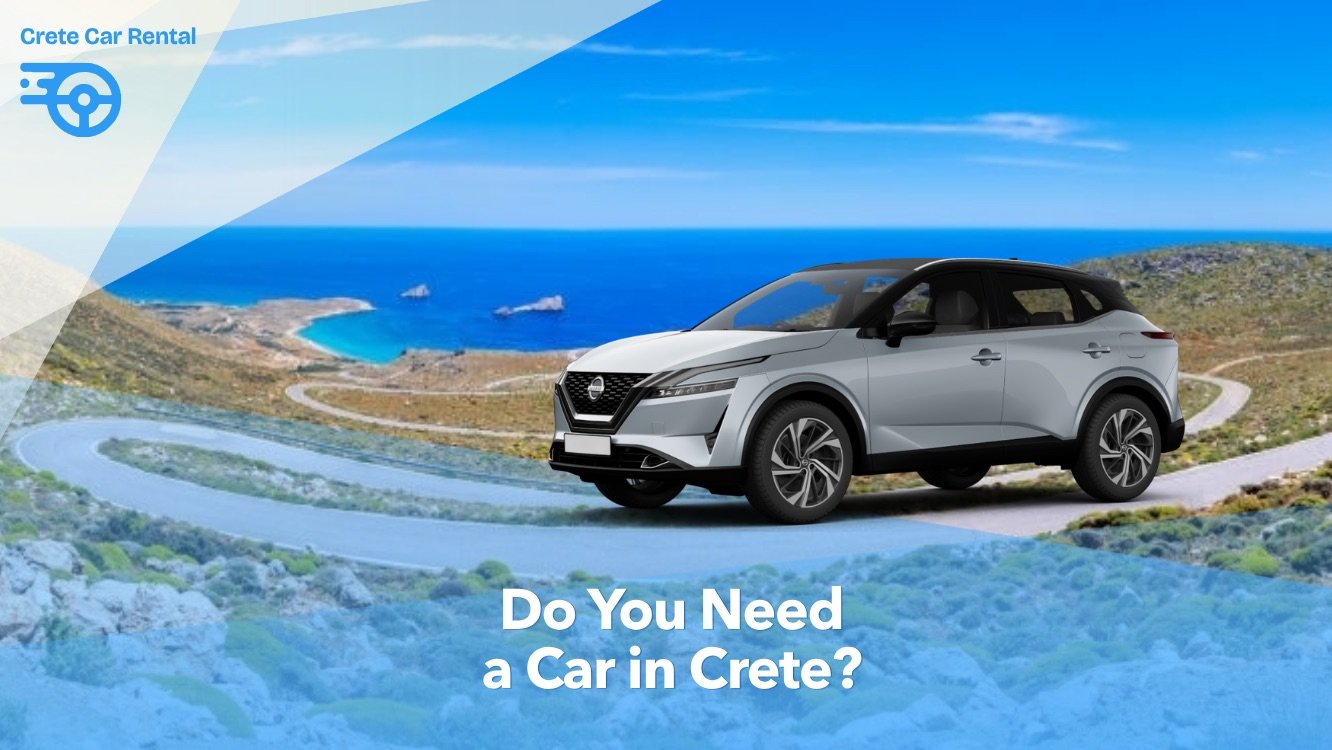
Most visitors who want to explore beyond their resort need a rental car in Crete. The KTEL bus network connects the north-coast cities well, yet service thins out toward the beaches, gorges, and mountain villages that fill most itineraries. Taxis and organised tours cover short gaps, while a rental car reaches the places public transport leaves out.
The KTEL Bus Network
The KTEL bus network is Crete's public intercity coach system, operated by 2 regional companies. KTEL Chania-Rethymno runs services across western Crete, and KTEL Heraklion-Lasithi runs central and eastern Crete, so a single cross-island trip can mean switching operators. According to Rental Center Crete, the northern corridor between Chania, Rethymno, and Heraklion is the strongest link, with departures roughly every 30 to 60 minutes. Coverage falls away from that corridor, because there is no east-west route along the south coast and reaching a southern beach often means backtracking through a central hub. The buses are modern, air-conditioned, and punctual, yet the timetable suits city-to-city travel far better than the spontaneous beach or village stops a rental car makes easy.
Taxis
Taxis in Crete work well for short hops and poorly for full-day touring. A metered ride starts around 3.50 to 4.50 euro, with a daytime rate near 0.80 to 1.20 euro per kilometre, so a quick airport-to-hotel transfer or an in-town trip stays affordable. Touring by taxi is a different matter, because a full day spent reaching a gorge or a string of beaches turns into a large negotiated fare. For 1 or 2 set journeys a taxi is convenient, yet a rental car costs less per day once you plan to move around and stop where you like.
Organised Tours
Organised tours trade flexibility for a fixed, guided itinerary. A typical day trip runs about 35 to 75 euro per person, and that price usually bundles transport, a guide, and entrance fees to a headline site such as Knossos or the Samaria Gorge. Tours remove the need to drive and handle the logistics for you, which suits travellers who want a single big excursion without a car. The trade-off is a set departure time, a group pace, and stops chosen for you, so a rental car remains the better fit when you want to set your own route and linger.
Renting a Car
Renting a car is the flexible option that reaches the beaches, gorges, and villages buses skip. A car unlocks harder-to-reach spots, from quiet south-coast coves to mountain villages where no scheduled bus runs. With your own vehicle you set the departure time, change plans with the weather, and carry beach gear without hauling it onto a coach. That freedom is why most visitors who plan to explore widely book a car for the whole stay rather than building each day around a bus timetable.
Is Driving in Crete Safe, and Can You Use a UK Licence?
Driving in Crete is safe for attentive drivers who adjust to local roads. A full UK or EU photocard licence is accepted for a rental, while visitors from some non-EU countries need an International Driving Permit alongside the home licence. The island is large, so seeing all of Crete in a single day is not realistic, and a planning speed of 40 to 50 km/h fits the winding mountain sections better than the map distance suggests. Before your first outing it helps to read our guide to driving in Crete, which covers road surfaces, local overtaking customs, and realistic journey times in detail.
Who Can Skip a Car
You can skip a car if you stay in one walkable town and travel mainly along the north coast. A base in the old town of Rethymno or Chania puts the beach, tavernas, and the KTEL station within walking distance, and frequent buses link you to the other cities for a day out. Adding 1 or 2 organised tours then covers the famous inland sites without a single drive. A car-free stay is easiest when you pick a town with its own bus hub, because the moment you want a remote beach or a mountain village on your own schedule the bus map runs out.
Who Needs a Rental Car in Crete
You need a rental car if you want to explore Crete beyond your resort and its nearest bus stop. The gorges of the southwest, the pink sand at Elafonissi, the Lasithi Plateau, and dozens of small villages sit off the frequent routes, and a car is what turns them from a logistical puzzle into an easy morning out. When your plan is to roam the island rather than settle in one town, the choice is straightforward. Ready to build that itinerary around your own wheels, you can rent a car in Crete with this site, compare models across the fleet, and complete your reservation in a few steps.